
Putting remains one of the most nuanced aspects of golf, where subtle changes in equipment can influence confidence, tempo, and consistency. Among the many components that shape a player’s experience on the greens, the putter grip plays a central role. Grip design affects hand placement, wrist action, feedback, and even mental comfort. In recent years, golfers at all levels have become more attentive to how grip structure and materials interact with their stroke mechanics, leading to a deeper appreciation of innovative grip concepts.
The Role of Putter Grips in Stroke Consistency
A putter grip is more than a surface to hold; it is a stabilizing interface between the golfer and the club. Traditional grips often encouraged wrist hinge, which could introduce unwanted variability. Modern approaches aim to quiet the hands and promote a pendulum-style motion driven by the shoulders.
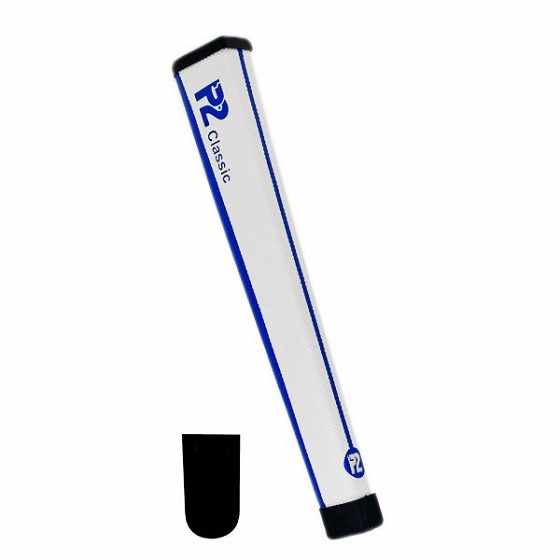
When golfers evaluate P2 Golf Putter Grips, they often focus on how shape and balance influence alignment and face control. These grips are designed to help players feel connected to the putter head throughout the stroke, reducing twisting and improving directional stability. While individual preferences vary, the underlying principle is consistent: a grip should support repeatable motion under pressure.

Why Shape and Geometry Matter
Grip geometry directly affects how the hands sit on the club. Rounded grips allow for natural hand rotation, while flatter or more angular profiles can guide the hands into a specific position. The choice depends on stroke type, visual comfort, and tactile feedback.
Golfers who struggle with face rotation may benefit from grips that subtly encourage square alignment at address. Conversely, players with an arcing stroke might prefer a shape that allows a touch more freedom. The appeal of P2 Golf Putter Grips often lies in their ability to balance these factors without forcing an exaggerated hand position.
Materials and Feel on the Greens
Feel is subjective, yet critical. Softer materials can dampen vibration and provide a cushioned response, while firmer compounds transmit more feedback from the strike. Weather conditions also influence grip performance; moisture resistance and durability become important considerations over a long season.
Modern putter grips often blend materials to achieve both comfort and control. Texture patterns, firmness zones, and surface finishes are engineered to maintain traction without feeling abrasive. These refinements help golfers stay relaxed, particularly during high-stakes putts where tension can easily creep in.
Understanding Weight and Balance
Grip weight alters the overall balance point of the putter. A heavier grip can counterbalance the head, slowing down the stroke and enhancing control. Lighter grips, on the other hand, allow players to feel the head more distinctly.
When examining P2 Putter Grip Specs, golfers often look at weight distribution, diameter, and length. These specifications help determine how the grip will interact with the putter shaft and head. Matching grip weight to stroke tempo is a subtle but meaningful adjustment that can influence distance control.
Key Design Features That Golfers Consider
Below are common characteristics players evaluate when choosing a modern putter grip:
Shape profile that supports consistent hand placement
Flat or contoured surfaces to aid alignment
Material density for preferred firmness or softness
Surface texture for traction in varying conditions
Grip diameter to suit hand size and comfort
These elements work together to create a cohesive feel during the putting stroke.
How Grip Choice Affects Alignment
Alignment is both visual and physical. A grip with defined edges or flat sections can act as a reference point, helping golfers square the face at address. This visual reassurance often translates into greater confidence, which is essential on the greens.
Golfers experimenting with P2 Golf Putter Grips may notice how subtle visual cues influence their setup routine. By reducing uncertainty at address, the grip allows players to focus on speed and line rather than mechanics.
Stroke Types and Grip Compatibility
Not all putting strokes are the same. Understanding one’s stroke type is essential when selecting a grip.
Straight-back, straight-through strokes often pair well with grips that limit wrist movement.
Arc-style strokes may benefit from grips that allow natural rotation.
Cross-handed or claw grips require shapes that accommodate unconventional hand placement.

Choosing a grip that complements the stroke rather than fighting it can lead to more consistent results.
The Psychological Aspect of Grip Feel
Confidence on the greens is closely tied to comfort. A grip that feels awkward or unfamiliar can create doubt, even if it performs well in practice. Conversely, a grip that inspires trust encourages a smooth, committed stroke.
The tactile feedback provided by modern grip designs helps golfers stay present during the stroke. When the hands feel stable, the mind can focus on reading the green and executing the putt.
Evaluating Performance Over Time
Grip performance should be assessed over multiple rounds, not just a single session. Changes in weather, green speed, and pressure situations reveal how well a grip truly performs.
Golfers often track:
Distance control consistency on long putts
Face stability on short, pressure putts
Hand comfort after extended practice sessions
Durability over weeks of play
These observations provide a realistic picture of how a grip supports long-term improvement.
Maintenance and Longevity
Even the best grips require care. Dirt, oils, and moisture can reduce traction over time. Regular cleaning with mild soap and water helps maintain performance. Storage conditions also matter; excessive heat can degrade materials and affect feel.
When reviewing P2 Putter Grip Specs, durability ratings and material composition offer clues about expected lifespan. While grips are consumable components, proper maintenance ensures consistent performance throughout their use.
Customization and Personal Preference
Customization has become increasingly accessible in golf equipment. Grip size, texture, and weight can be tailored to individual needs. While fitting often focuses on clubs and shafts, grip fitting deserves equal attention.
Golfers who take the time to test different profiles often discover improvements in stroke consistency and confidence. The right grip does not overhaul a stroke overnight, but it can support incremental gains that add up over time.
Practical Considerations Before Making a Choice
Before settling on a putter grip, golfers should reflect on their playing habits and goals:
Frequency of play and practice
Typical green conditions encountered
Preferred putting style and grip technique
Sensitivity to weight and balance changes
Answering these questions helps narrow down options and ensures the grip aligns with personal preferences.
Final Thoughts on Modern Putter Grip Design
The evolution of putter grips reflects a broader shift in golf toward precision and personalization. Small adjustments in grip design can influence alignment, tempo, and confidence, making them a valuable area of focus for players seeking improvement on the greens.
By understanding how shape, material, and balance interact, golfers can make informed decisions that support their natural stroke. Whether refining technique or adapting to changing conditions, thoughtful grip selection such as golf putter remains a subtle yet powerful tool in the pursuit of better putting.







Write a comment ...